
 English
 中文简体
中文简体 русский
 Español
¿Por qué fallan los anclajes Ultra Wedge y cómo se puede prevenir?
Anclaje de cuña ultra Es un sistema de anclaje comúnmente utilizado para aplicaciones de hormigón. Se prefiere por su facilidad de instalación y alta capacidad de carga, lo que lo hace adecuado para su uso en instalaciones de construcción, infraestructura y equipos industriales. Sin embargo, como todo sistema de anclaje, puede sufrir fallos en determinadas condiciones. Comprender sus modos de falla ayuda a prevenir problemas comunes durante la instalación y mejora la confiabilidad a largo plazo. Este artículo analizará en detalle los modos de falla del anclaje Ultra Wedge y cómo prevenir y abordar estos problemas de manera efectiva.
Modos de falla comunes
Deslizamiento del ancla
El deslizamiento del anclaje es uno de los modos de falla más comunes del anclaje Ultra Wedge. Esto ocurre cuando falla la unión entre el anclaje y el concreto, lo que hace que el anclaje se deslice hacia afuera o se afloje. Las causas del deslizamiento del anclaje incluyen orificios de gran tamaño, profundidad de instalación insuficiente o incrustación inadecuada del anclaje en el concreto. El riesgo de deslizamiento aumenta significativamente en condiciones de carga elevada, lo que puede provocar el colapso o el aflojamiento de la estructura instalada.
Para evitar esta falla, asegúrese de que el tamaño del orificio perforado cumpla con las especificaciones del anclaje Ultra Wedge. Utilice herramientas profesionales durante la instalación para garantizar que cada punto de anclaje cumpla con las especificaciones de profundidad y torsión requeridas.
Grietas de hormigón
Durante la instalación del anclaje Ultra Wedge, especialmente en estructuras de concreto delgadas o de alta carga, una presión excesiva puede causar que el concreto se agriete. Una fuerza de instalación elevada, una colocación inadecuada de los orificios o el uso de equipos de anclaje inadecuados pueden provocar grietas o roturas en el hormigón. Este fallo no sólo disminuye la eficacia del anclaje sino que también puede causar daños a la propia estructura.
Para evitar el agrietamiento del concreto, evalúe el tipo y el espesor del material base antes de la instalación y asegúrese de que el anclaje Ultra Wedge sea adecuado para ese tipo de concreto. También se recomienda aplicar un pretensado adecuado durante la instalación para reducir la concentración de tensiones en el hormigón.
Profundidad de anclaje insuficiente
La profundidad insuficiente del anclaje es una causa importante de falla del anclaje Ultra Wedge. Cuando la profundidad no es la adecuada, el anclaje no penetra completamente la zona efectiva del concreto, resultando en la incapacidad de soportar la carga designada. Este problema es particularmente frecuente en áreas sujetas a altas cargas o vibraciones, donde una profundidad insuficiente conduce rápidamente al aflojamiento del anclaje, afectando la estabilidad de la estructura.
Durante la instalación, es fundamental cumplir estrictamente con la profundidad del orificio requerida especificada en el manual del producto. Utilice herramientas precisas para asegurar una profundidad constante del orificio, garantizando la efectividad de cada punto de anclaje.
Fallo por corrosión
Los anclajes Ultra Wedge generalmente están hechos de acero o materiales de aleación, y la exposición a la humedad, niebla salina u otros ambientes corrosivos con el tiempo puede provocar oxidación o grietas por corrosión, lo que reduce la resistencia. Este modo de fallo es particularmente común en zonas costeras u otros ambientes corrosivos, especialmente si no se han aplicado tratamientos anticorrosivos.
Para evitar fallas por corrosión, elija materiales con excelente resistencia a la corrosión, como acero inoxidable o revestimientos galvanizados. La inspección y el mantenimiento periódicos son esenciales para proteger los puntos de anclaje de daños ambientales y prolongar su vida útil.
Cambios de estrés inducidos por la temperatura
El rendimiento del anclaje Ultra Wedge puede verse afectado por temperaturas extremas. En ambientes de alta temperatura, el material de anclaje puede perder estabilidad debido a la expansión, mientras que en ambientes de baja temperatura puede contraerse, reduciendo la fuerza de tracción y afectando el efecto de anclaje. Este tipo de falla es común en ambientes industriales al aire libre o de alta temperatura, donde las fluctuaciones de temperatura pueden provocar rápidamente fallas en el anclaje.
Para solucionar este problema, elija anclajes Ultra Wedge fabricados con materiales adecuados para entornos de alta o baja temperatura. Al diseñar e instalar, considere el impacto de los cambios de temperatura en las propiedades del material. Para ambientes de alta temperatura, seleccione aleaciones resistentes al calor; para ambientes de baja temperatura, elija materiales con excelente resistencia al congelamiento.
Cómo evitar el fracaso
Instalación precisa
Para garantizar la estabilidad y durabilidad del anclaje Ultra Wedge, es esencial seguir los procedimientos operativos estándar durante la instalación. Específicamente, el diámetro, la profundidad y el posicionamiento del orificio deben ser precisos. Los agujeros demasiado pequeños o demasiado grandes afectarán el rendimiento del anclaje.
Seleccionar materiales apropiados
Diferentes entornos requieren diferentes materiales de anclaje. Por ejemplo, utilice acero inoxidable o materiales galvanizados en ambientes corrosivos para garantizar que el anclaje Ultra Wedge resista la corrosión y evite fallas. En ambientes de alta o baja temperatura, seleccione materiales con resistencia a la temperatura adecuada para tener en cuenta el impacto de los cambios de temperatura en el efecto de anclaje.
Inspección y mantenimiento regulares
Inspeccione periódicamente el sistema de anclaje Ultra Wedge, especialmente en condiciones de carga alta, para garantizar que no se afloje, se corroa ni se agriete. El reemplazo o mantenimiento oportuno de cualquier punto de anclaje dañado ayudará a extender su vida útil y garantizará una integridad estructural continua.
Productos Recomendados
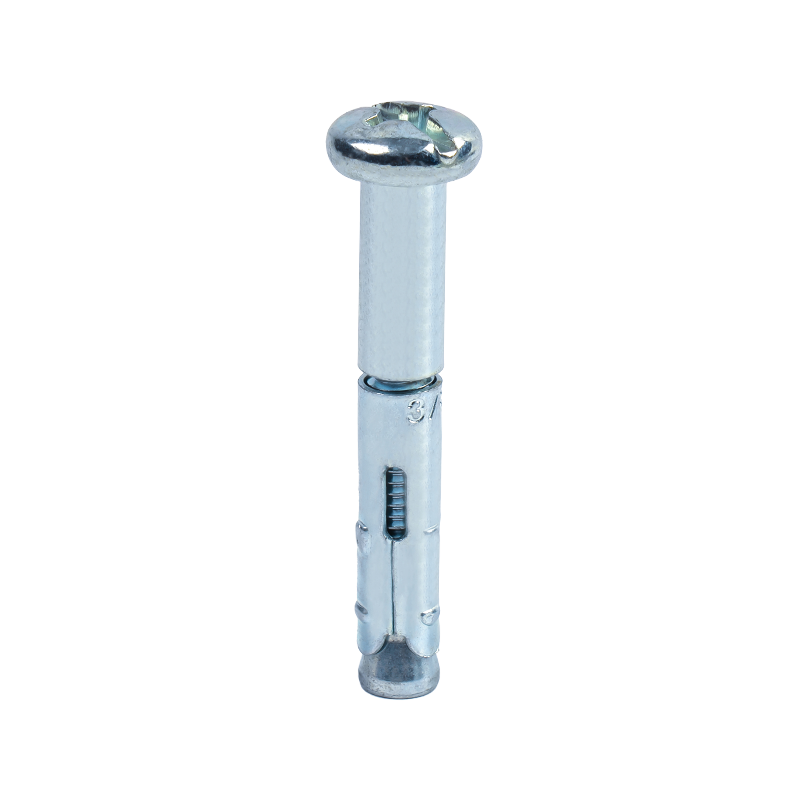
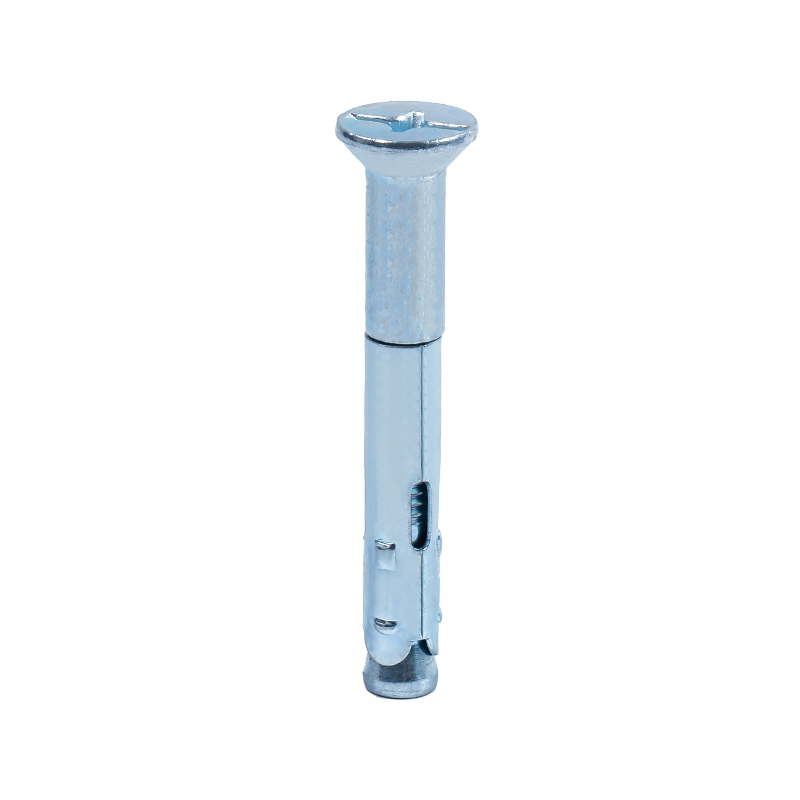
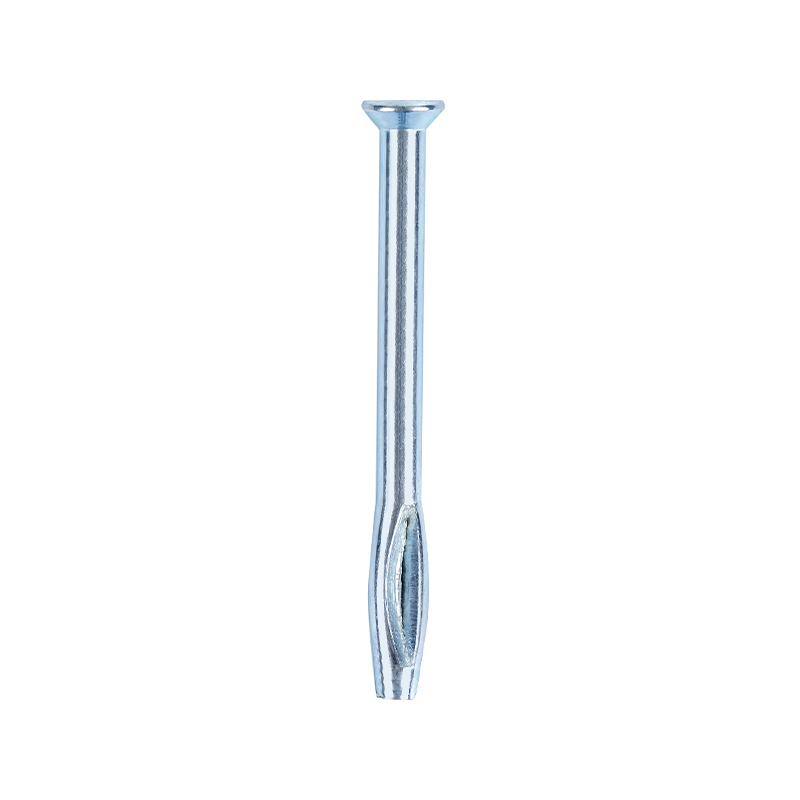
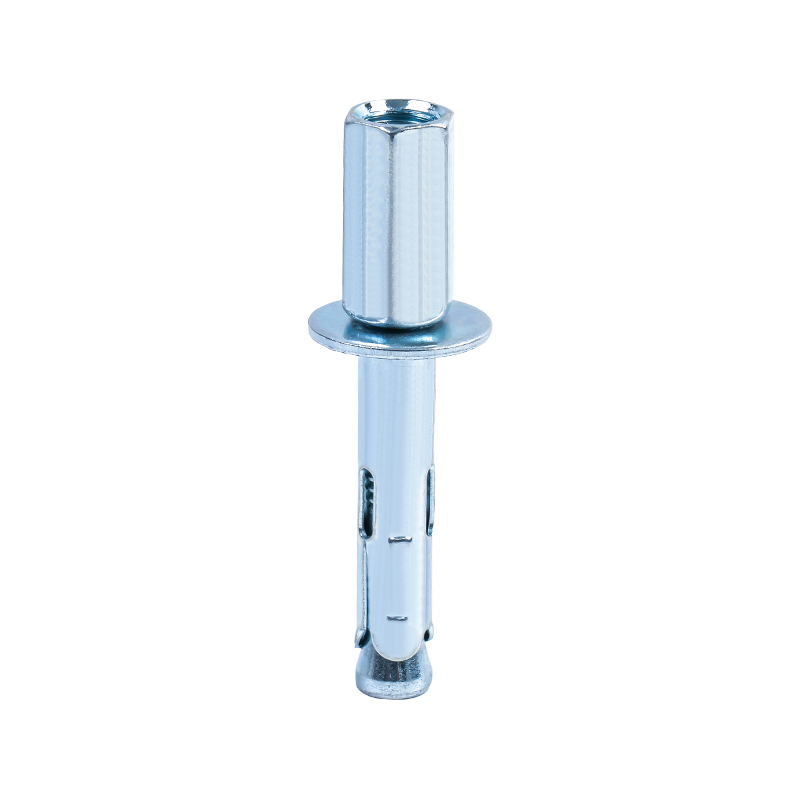
-
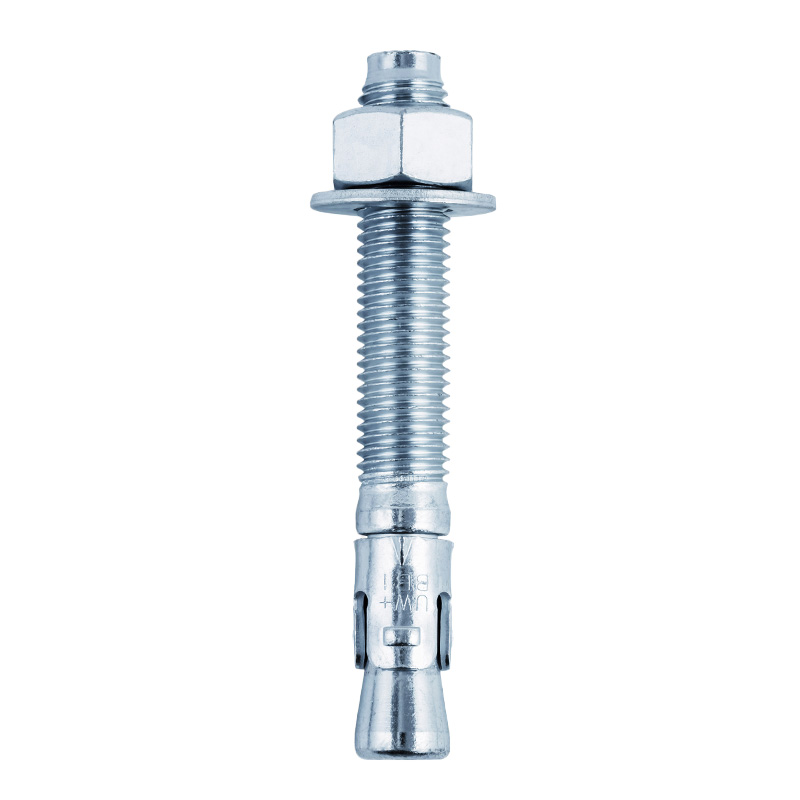 Anclaje en Cuña Ultra View More

-
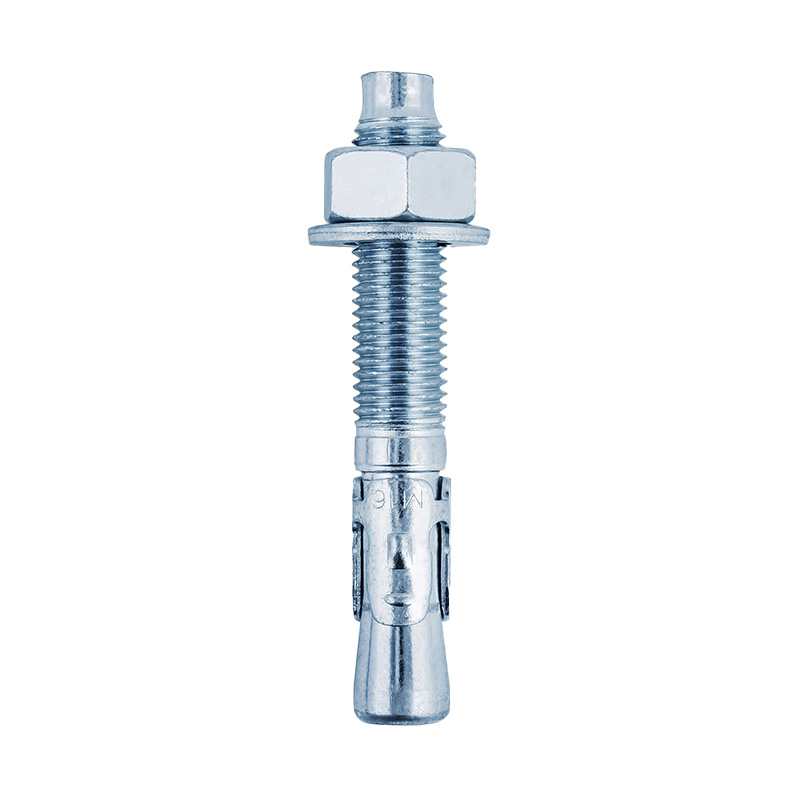 Anclaje Wedge Métrico View More
-
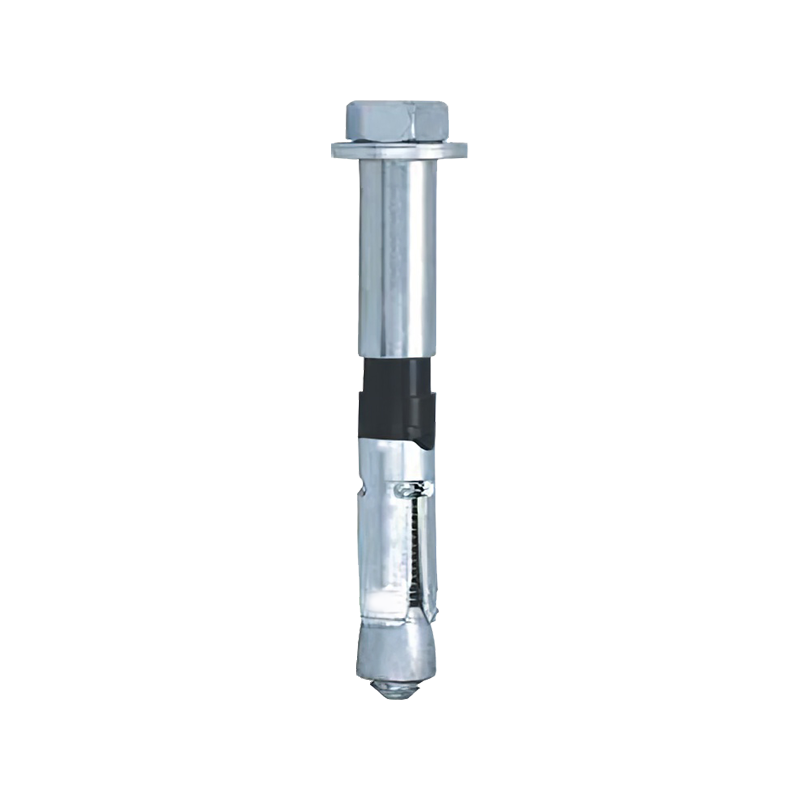 Anclaje con Tornillo de Alta Resistencia View More
-
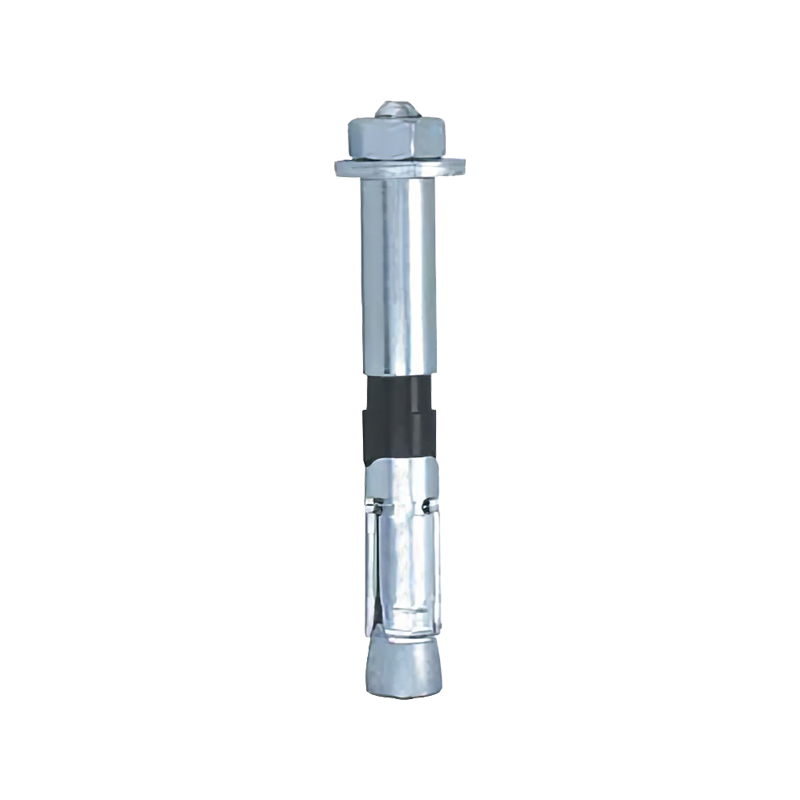 Anclaje de Escudo con Tornillo de Alta Resistencia View More
-
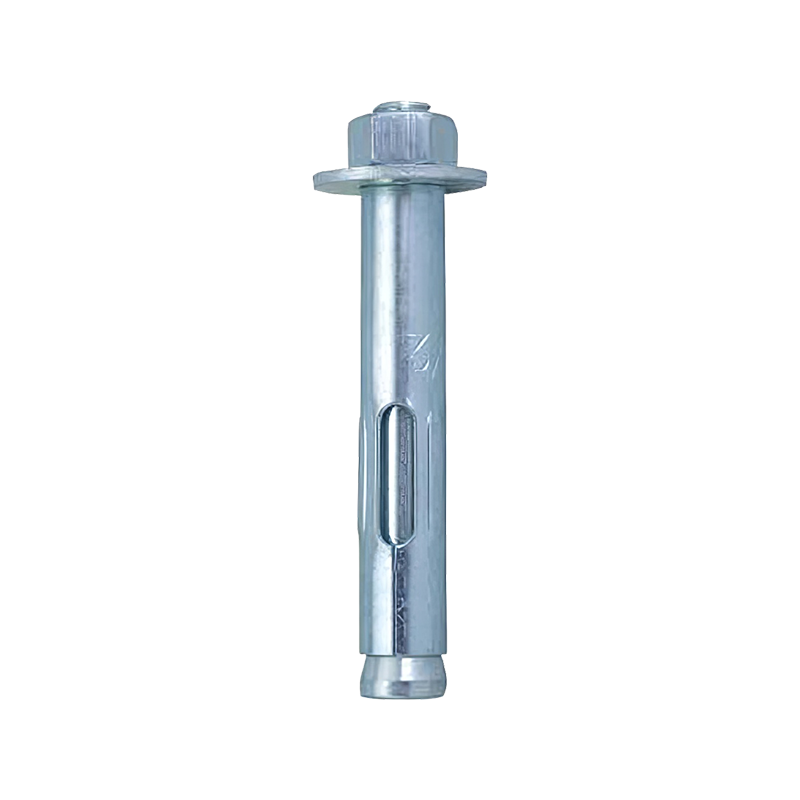 Anclaje de Manga Ultra View More
-
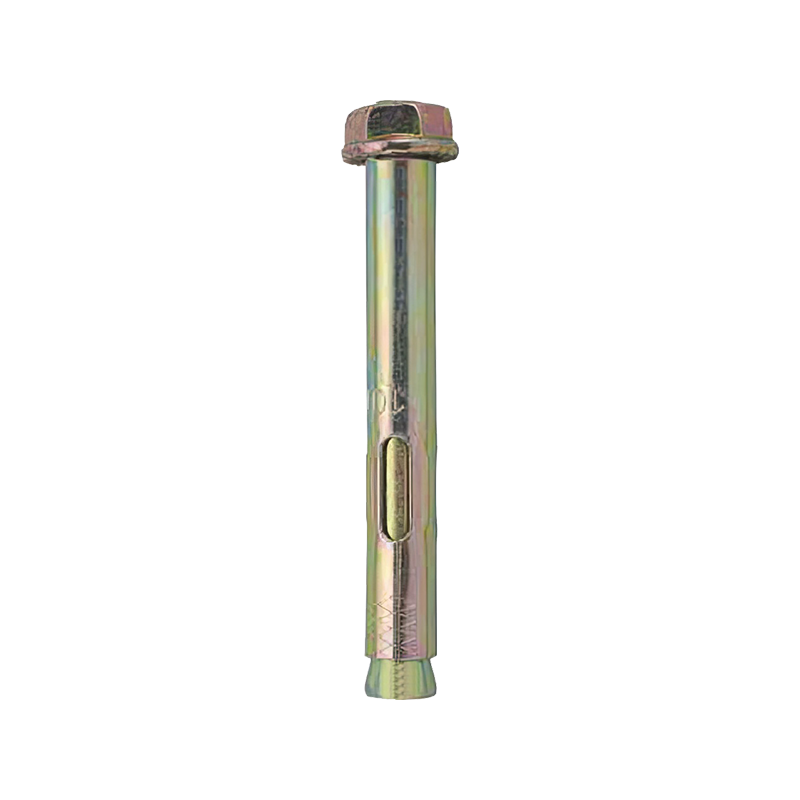 Anclaje de Manga Métrico View More
-
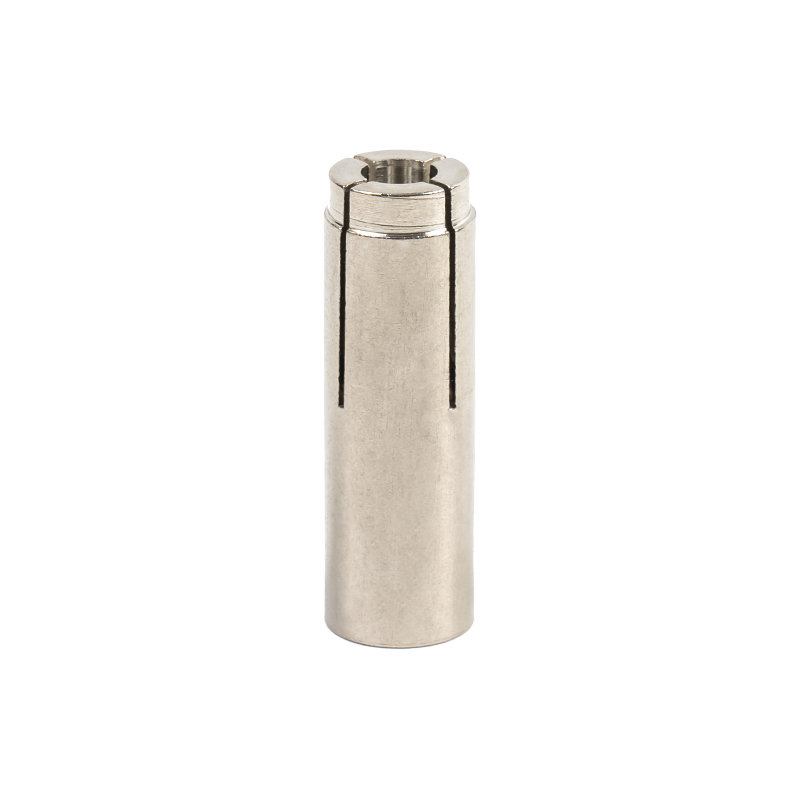 Anclaje de Expansión View More
-
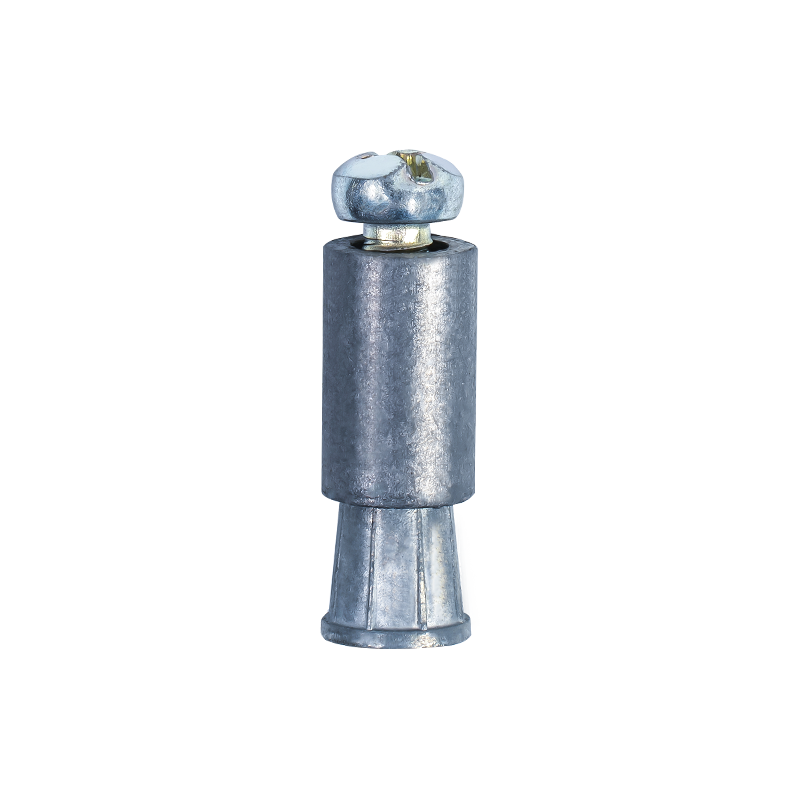 Anclaje de Tornillo de Máquina View More
-
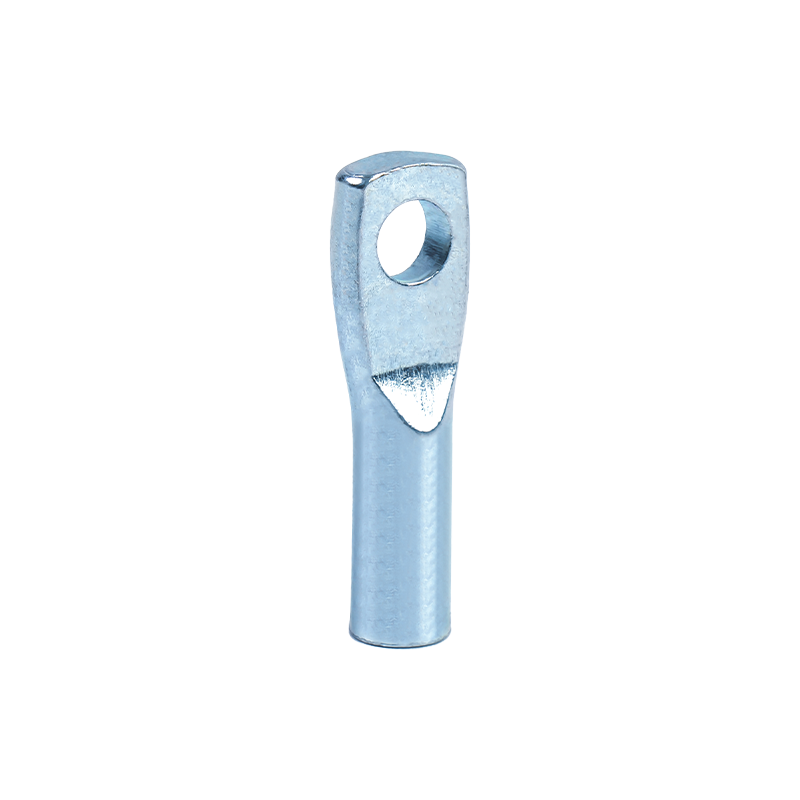 Anclaje con Ojo View More
-
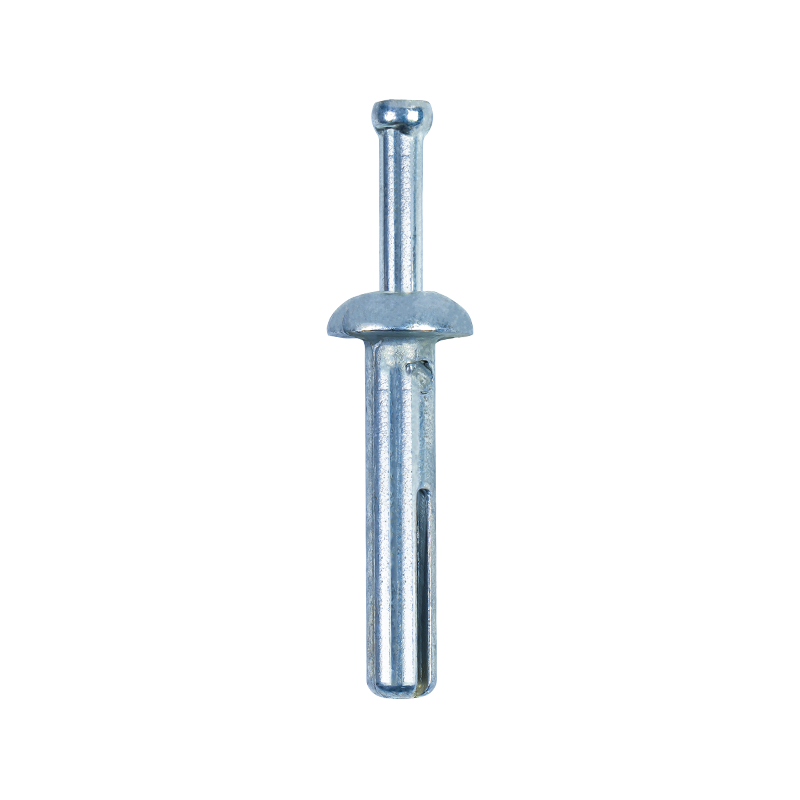 Anclaje de Expansión con Martillo View More
-
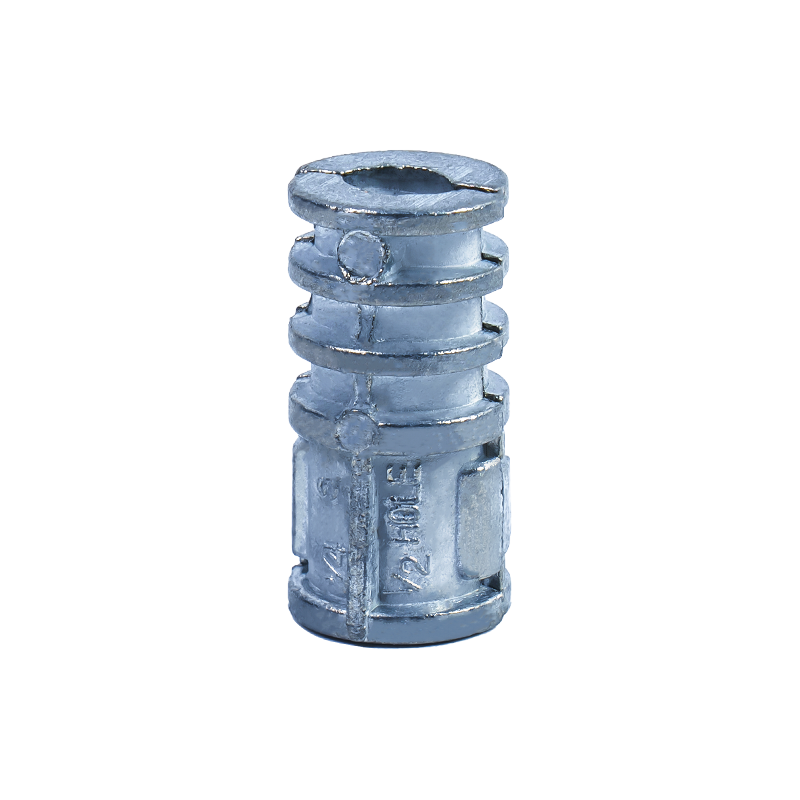 Escudo de Anclaje Corto View More
-
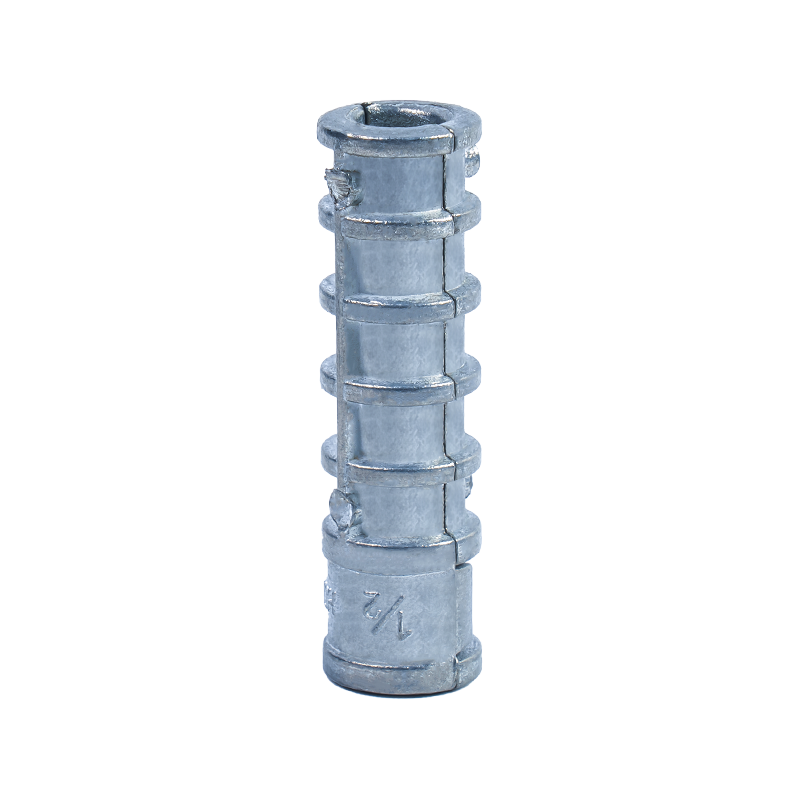 Escudo de Anclaje Largo View More

Contáctenos